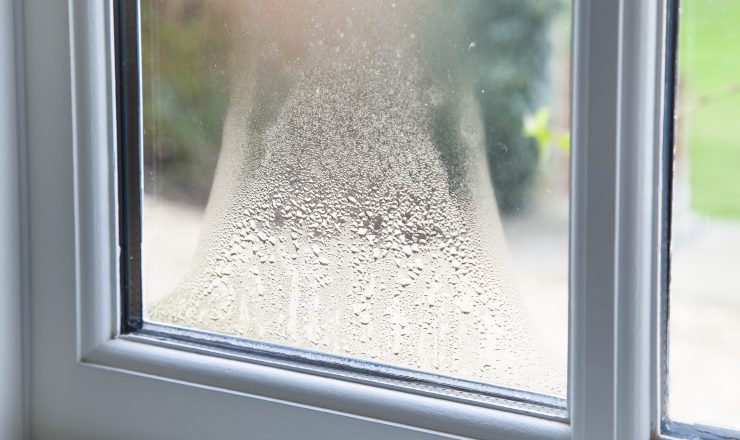
Foggy Window Fix: Understanding Causes, Solutions, and Prevention
Introduction
Foggy windows can be more than just a trouble; they can substantially hinder presence and posture threats while driving or navigating your home. When Expert Double Glazing Repair experience foggy windows, the issue usually comes from condensation or an issue with the window seal. This short article intends to explain why windows become foggy, explore efficient solutions, and supply preventive measures to keep your windows clear and safe.
Understanding Humidity and Condensation
Before delving into solutions for foggy windows, it's vital to understand the science behind the phenomenon. Foggy windows usually take place due to changes in humidity and temperature level. Here's how it works:
- Humidity Levels: The air around us consists of moisture, which can vary greatly depending upon the season and ecological conditions.
- Temperature level Differences: When warm, humid air fulfills a cooler surface, such as a window, the air cools down, and its capacity to hold moisture decreases. This results in condensation.
- Seal Failure: Double-glazed windows have an insulating area filled with air or gas between the panes. When this seal stops working, outside moisture can permeate, causing fogging between the panes.
Reasons For Foggy Windows
The following table summarizes the primary reasons for foggy windows:
| Cause | Explanation |
|---|---|
| High Humidity | Excess indoor moisture from cooking, bathing, etc. |
| Temperature Drops | Cold weather condition triggering warm air inside to condense. |
| Seal Failure | Broken seals in double-glazed windows letting in moisture. |
| Poor Ventilation | Lack of air flow causing increased humidity inside. |
| Weather Changes | Unexpected temperature swings causing quick condensation. |
Solutions for Foggy Windows
Interior Fogging
If your windows are fogging on the inside, here are some approaches to relieve the concern:
- Improve Ventilation: Ensure that your home is well-ventilated by utilizing exhaust fans in bathroom and kitchens, and opening windows when possible to permit air circulation.
- Use a Dehumidifier: A dehumidifier can successfully decrease indoor humidity levels, which helps in reducing condensation on windows.
- Change Indoor Temperatures: Keep your home at a consistent temperature to decrease the temperature level differences between the inside and beyond your windows.
- Weatherstripping: Ensuring appropriate sealing and weatherstripping of doors and windows can avoid cold air from going into and warm air from leaving, minimizing condensation.
Exterior Fogging
To avoid outdoors fogging, consider the following techniques:
- Install Window Treatments: Blinds or lined drapes can offer insulation versus temperature level differences.
- Heat-Reflective Window Films: Applying heat-reflective window films can assist preserve the internal temperature, avoiding condensation.
- Routine Cleaning: Keeping windows clean can decrease the opportunities of external moisture forming fog due to dirt and gunk.
Fogging Between Panes
If misting takes place between the panes of double-glazed windows, it indicates a seal failure. Solutions consist of:
- Professional Repair: Hire a professional to examine and potentially replace the gas-filled panes.
- Window Replacement: In extreme cases, replacing the whole window unit may be required.
Preventive Measures
To keep your windows clear and fog-free, think about these preventive measures:
- Regular Maintenance: Regularly check seals and frames for any indications of wear or damage.
- Humidity Control: Maintain indoor humidity levels in between 30-50% using dehumidifiers or air conditioning.
- Install Exhaust Fans: Use exhaust fans in areas with high moisture production, such as kitchen areas and bathrooms.
- Weatherproofing: Apply weatherproofing materials on doors and windows to avoid drafts.
FAQs About Foggy Windows
Q1: Why are my windows misting up when it's cold outside?A: Cold temperature levels
outside combined with warm indoor air produces condensation on the glass surface area. The warm, moisture-laden air cools when it contacts the cold window, resulting in foggy windows.
Q2: Can I prevent foggy windows entirely?A: While you
can not entirely remove foggy windows under all conditions, you can minimize the occurrence through correct ventilation, humidity control, and preserving the stability of window seals.
Q3: Is fog between window panes dangerous?A: While misting itself
is not hazardous, it indicates a seal failure that compromises the energy efficiency of your home and could cause further problems, consisting of mold if moisture accumulates. Q4: How can I clean foggy windows?A: For interior fogging, use a glasscleaner. For between-the-panes fog, you will likely require professional help, as cleaning is not a DIY choice. Foggy windows can be an aggravating yet workable problem.
Understanding the causes and taking proactive actions to address them can significantly improve presence and comfort in your house. Whether you're dealing with interior condensation or failing double-glazed seals, the solutions and preventive steps laid out in this post will help you keep your windows clear and functioning well. By taking these actions, property owners can boost their living environments while ensuring security and convenience throughout the year.